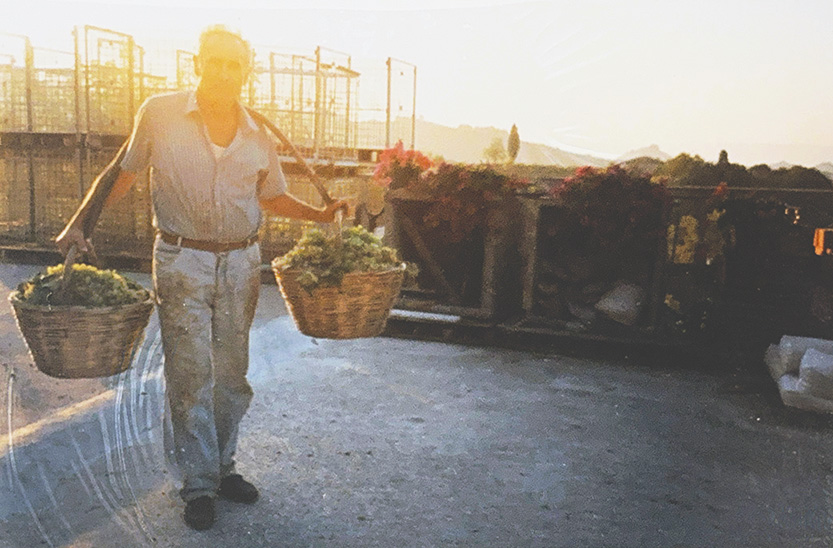
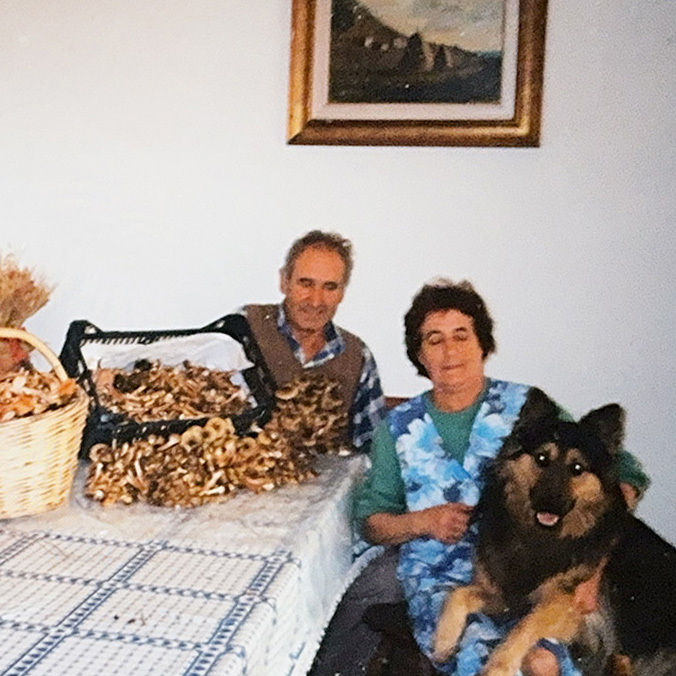
Our company stands out for its harmonious combination of family tradition and professional expertise. We began producing sparkling wine in the 1980s and have since evolved and innovated without ever losing sight of our roots. Our connection with nature and its fruits has provided us with a wealth of knowledge that we have enriched over time.
Entering our company, you immediately perceive the atmosphere of authenticity and freshness that characterizes our wines.
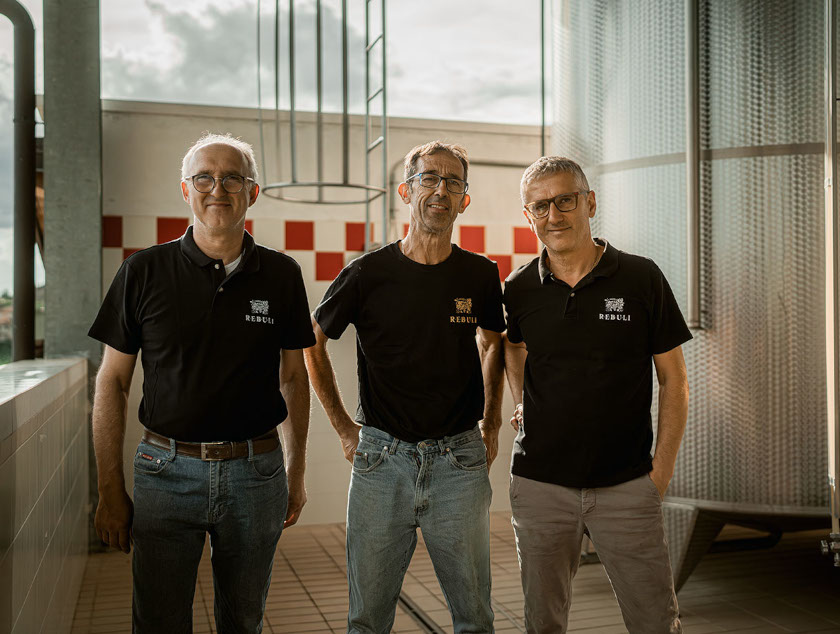
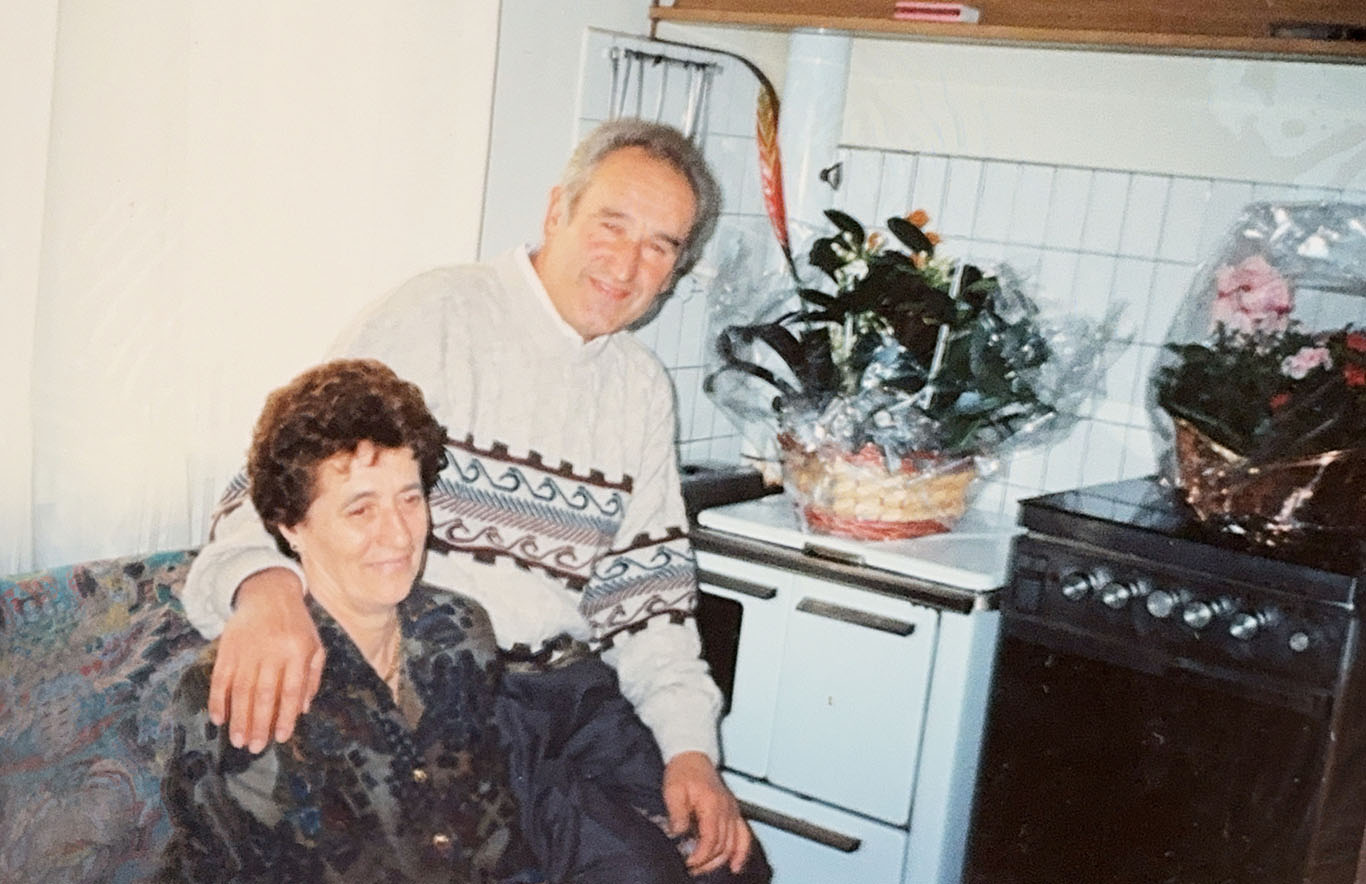
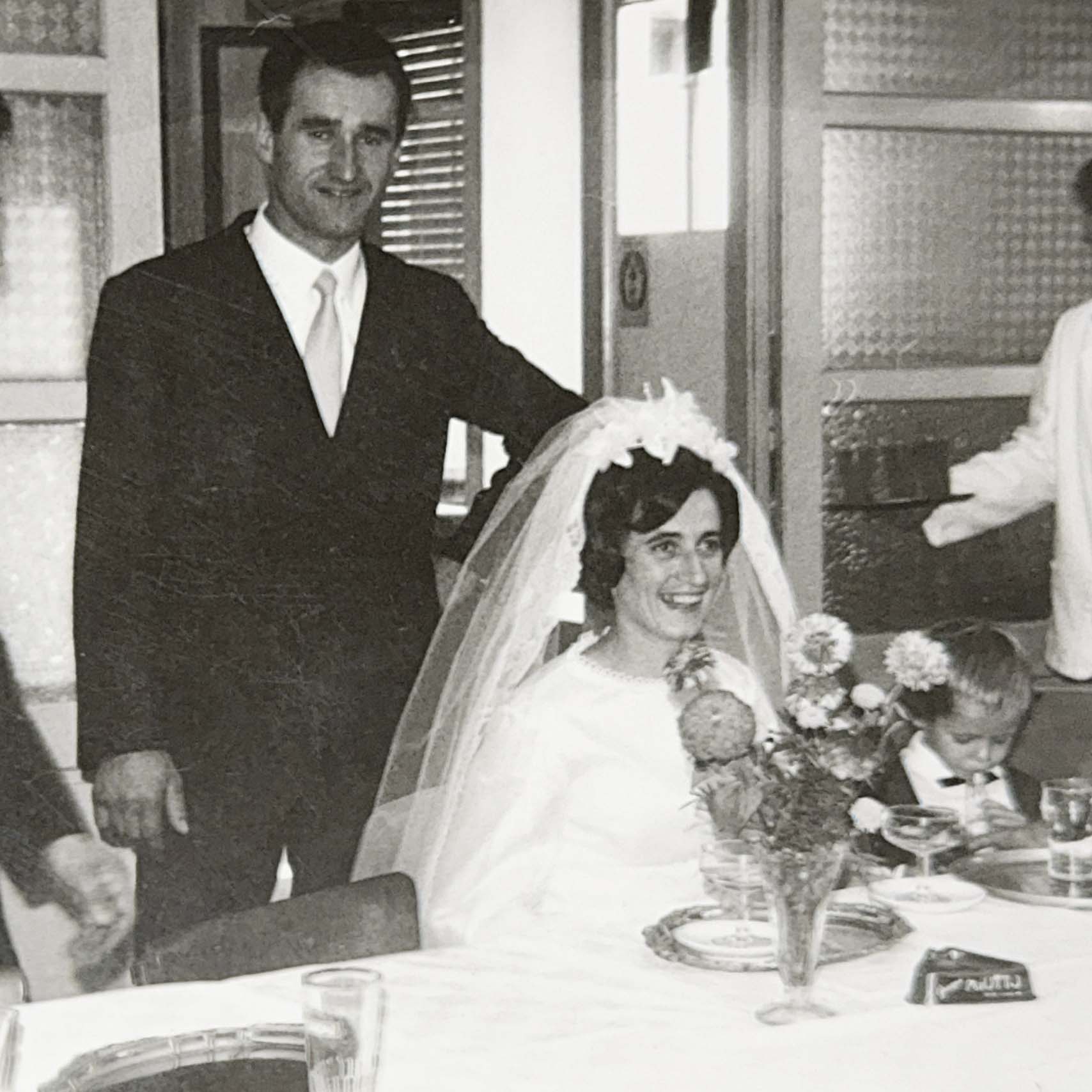
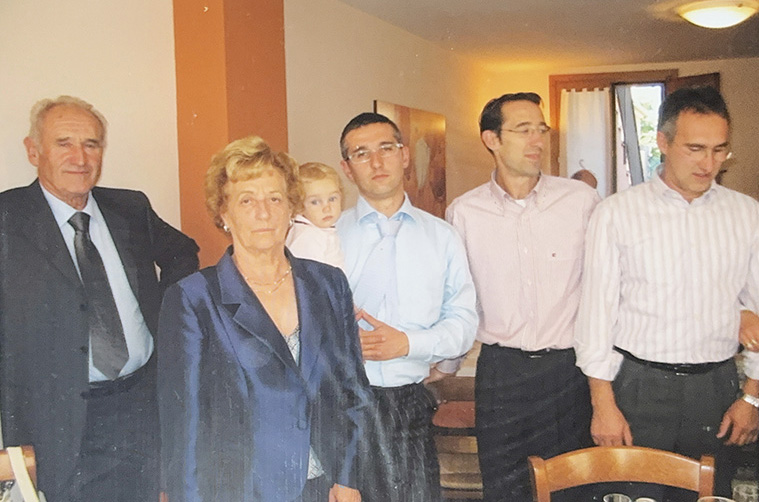
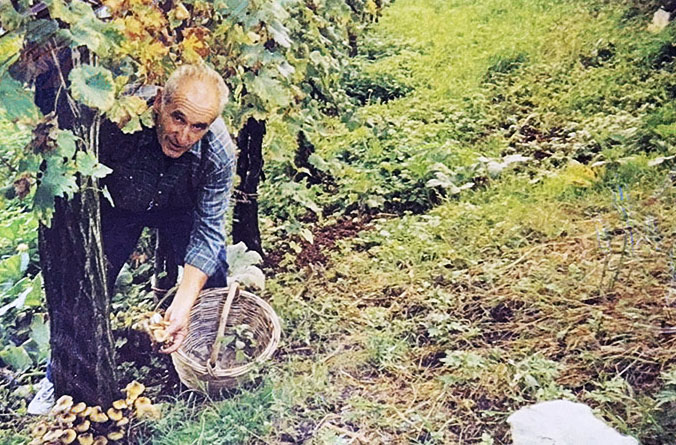
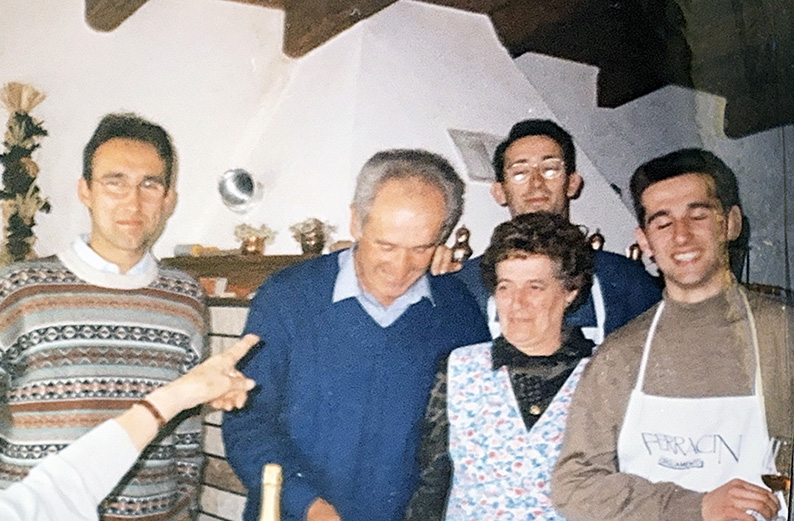
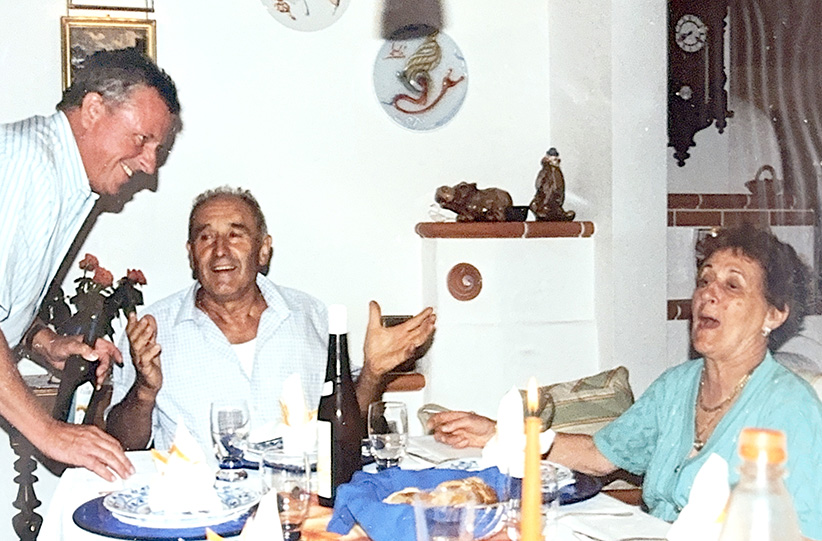
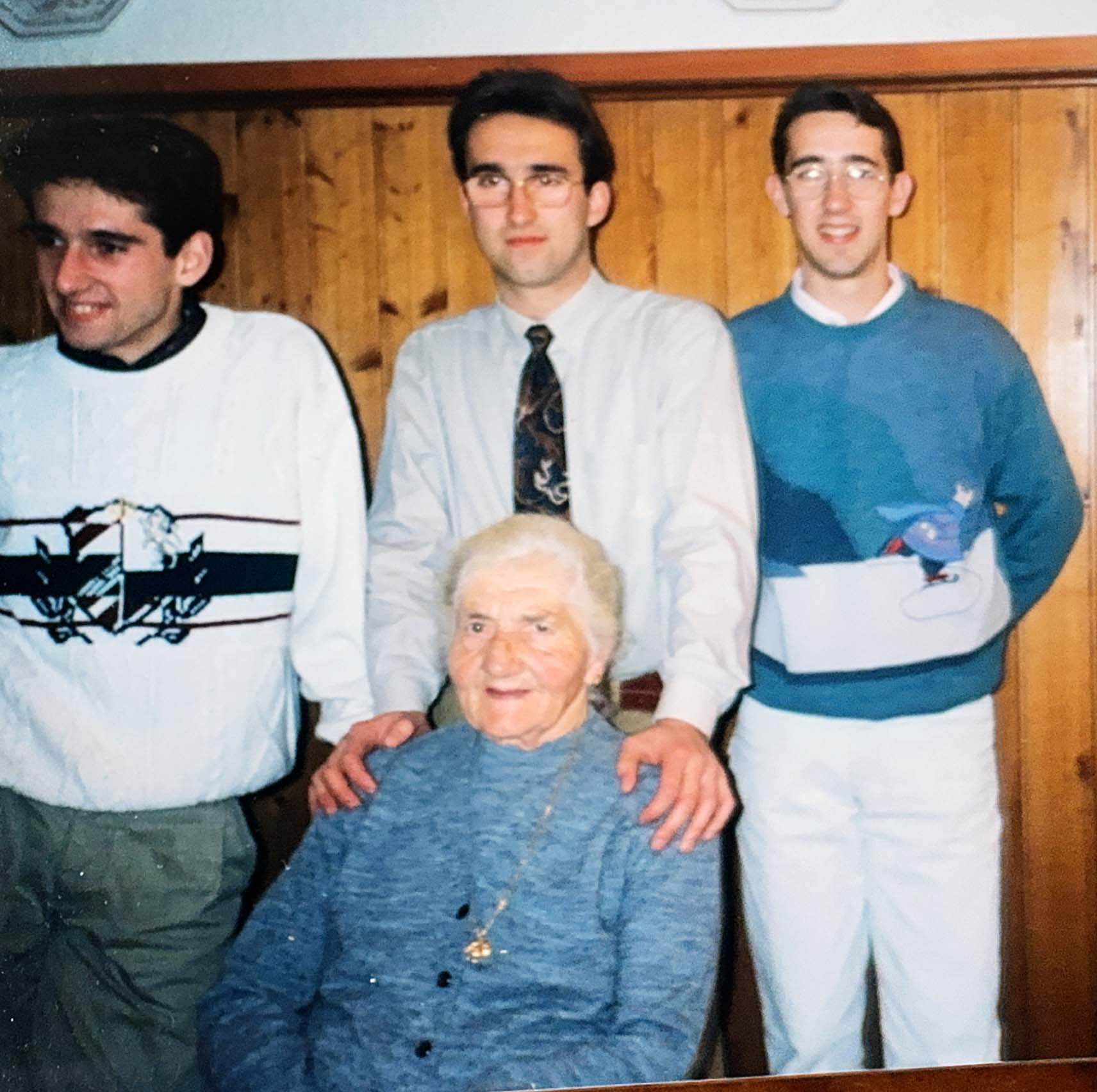
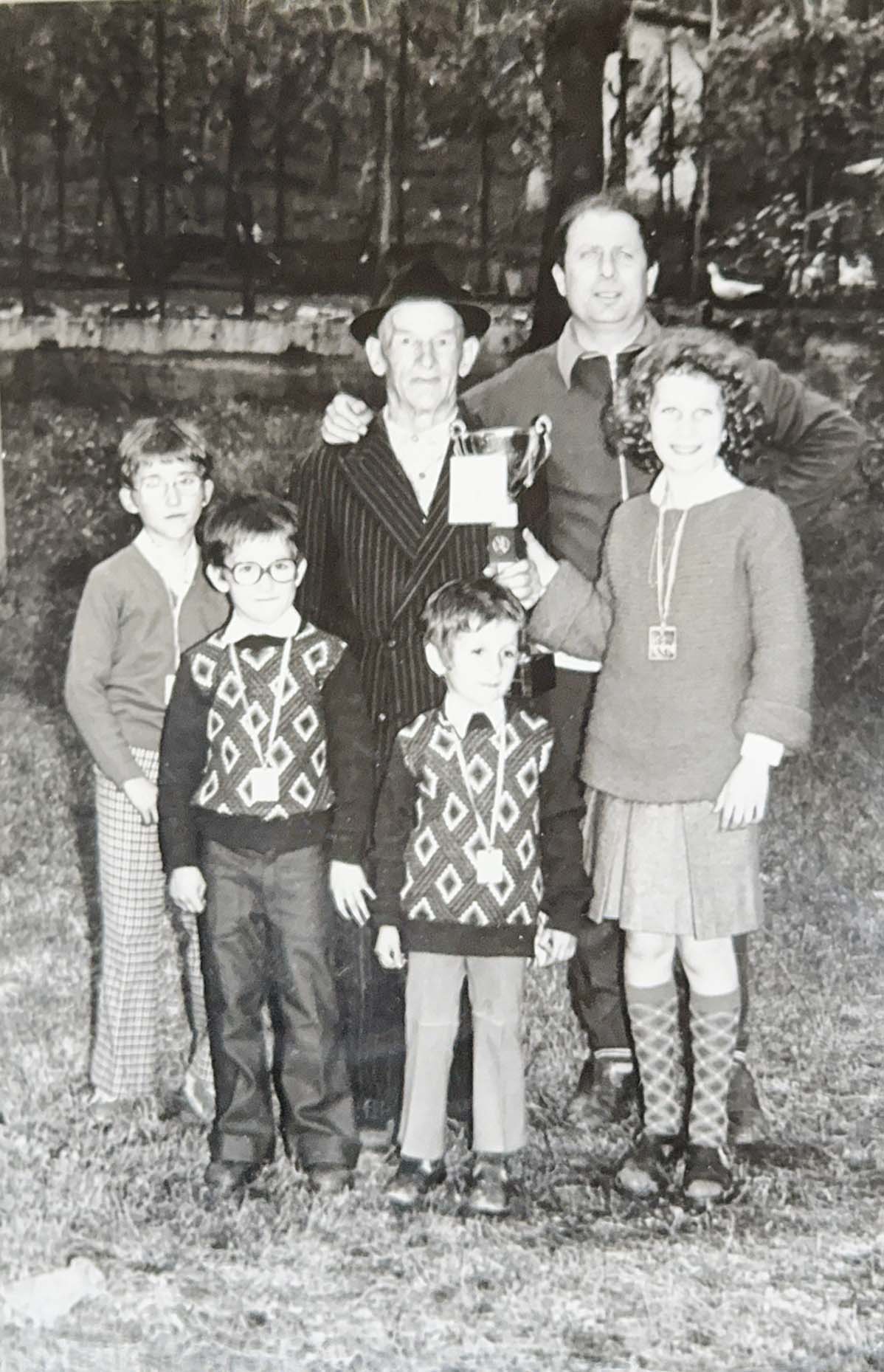
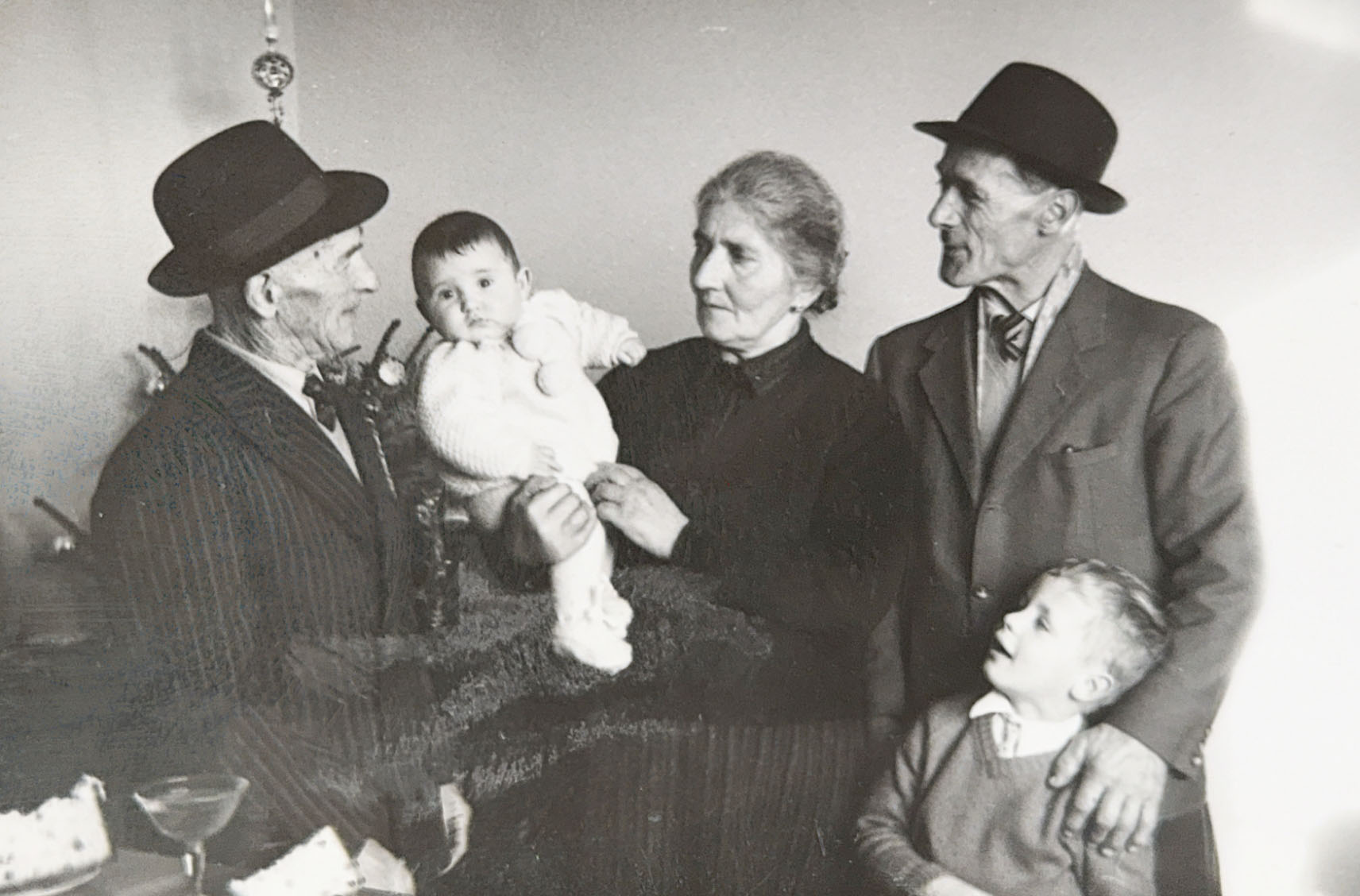
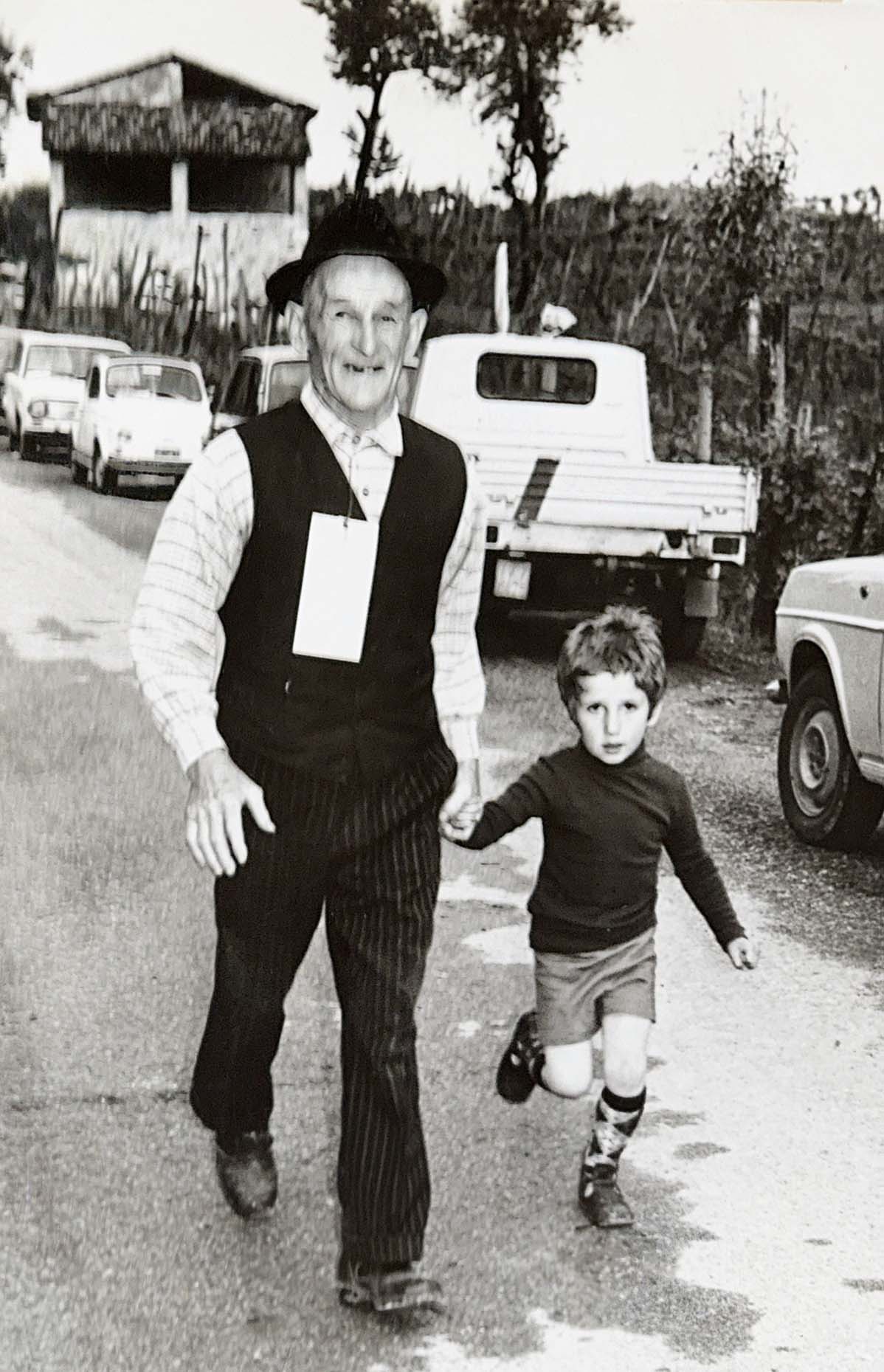
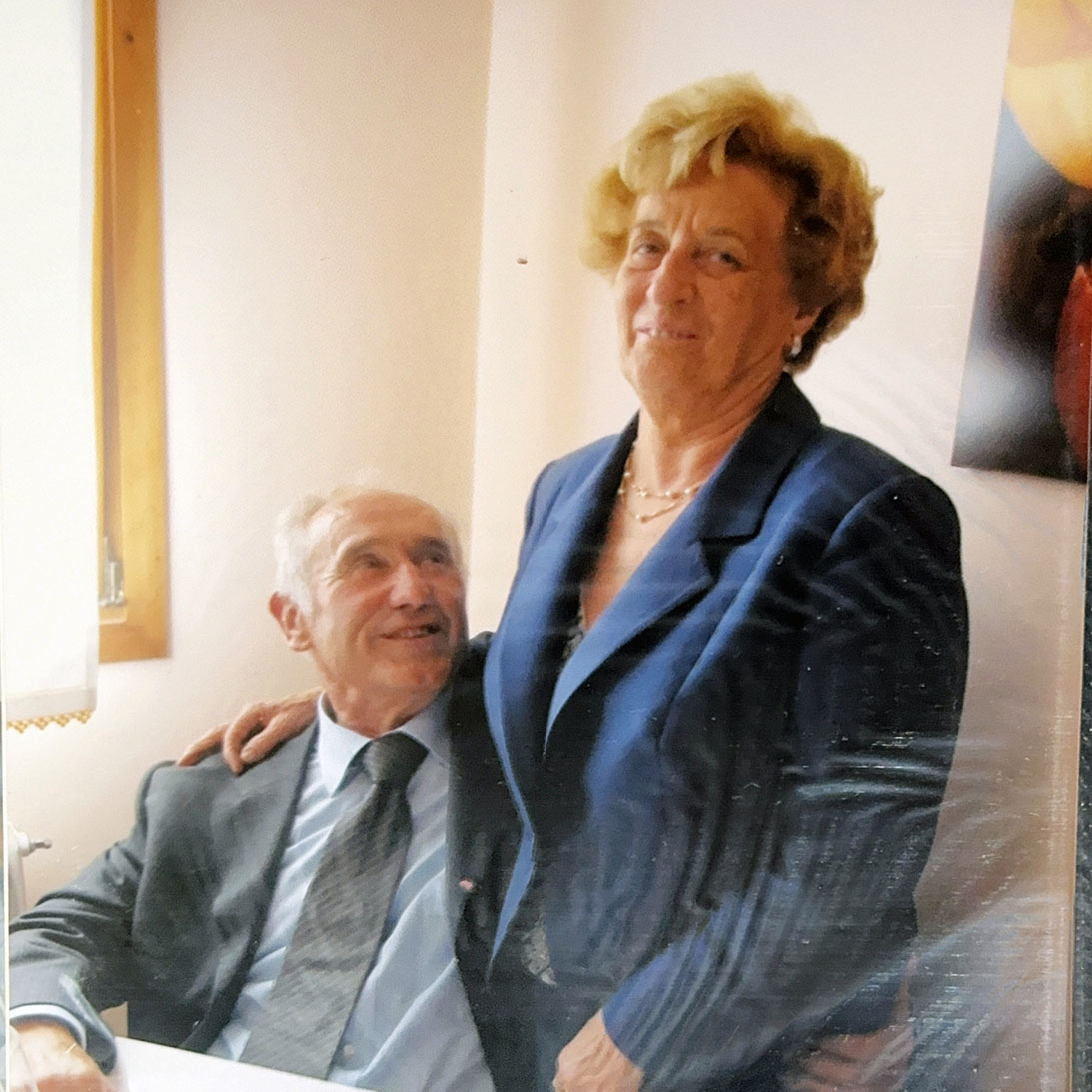
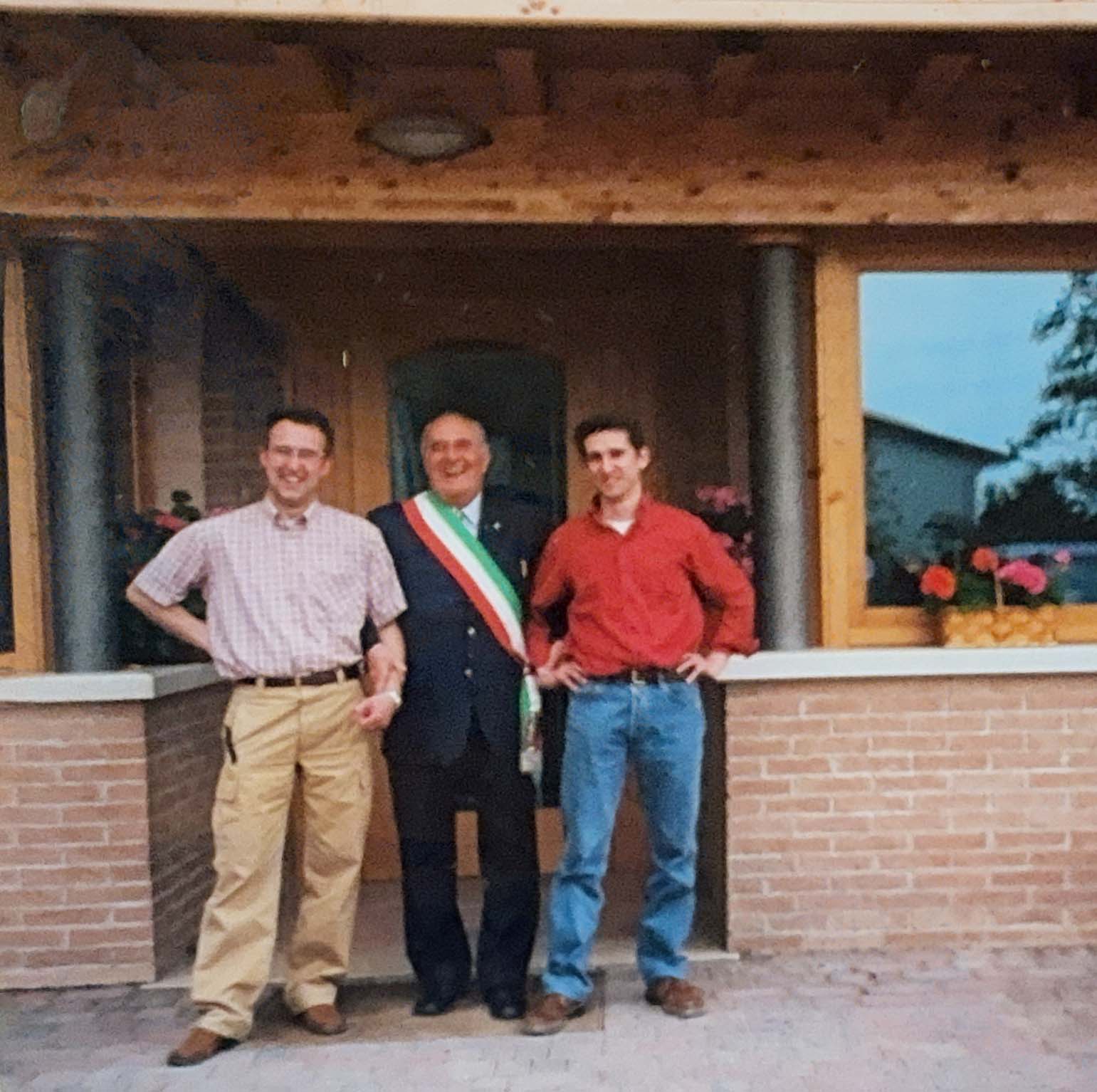
The passion for viticulture, started by Angelo, is now carried forward with dedication by his three sons: Mauro Rebuli, winemaker; Paolo Rebuli, who deals with the cultivation practices of the vineyards, and Gianni Rebuli, salesman.
Our journey continues with the aim of creating wines that tell our story and our territory, keeping alive the same passion and dedication that have accompanied us since the beginning.
A wine full of history
Rebuli from the origins to today
The beginning of the journey
1930
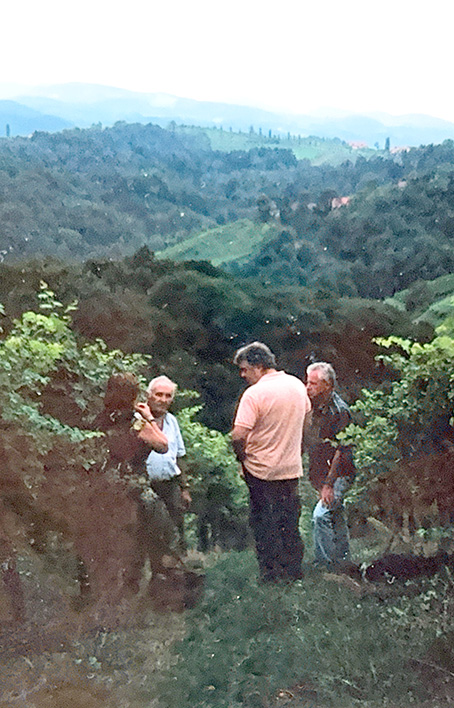
Fonso Rebuli, Angelo’s father, buys the land where our winery is today. It is the beginning of a long journey into the world of viticulture that would see our company grow and prosper.
The wine is marketed
1968
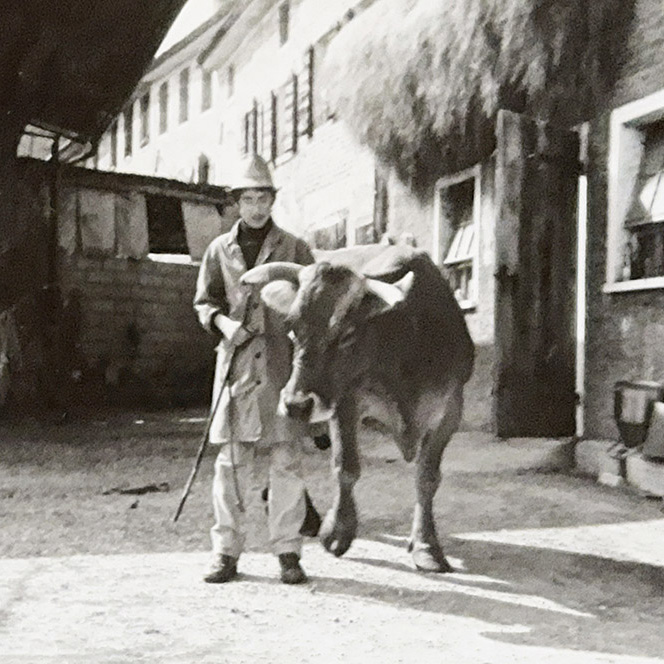
Angelo Rebuli began with the production and marketing of bulk wine, while also continuing to manage the stable for the production of milk to be delivered to a local dairy.
The first bottle
1985
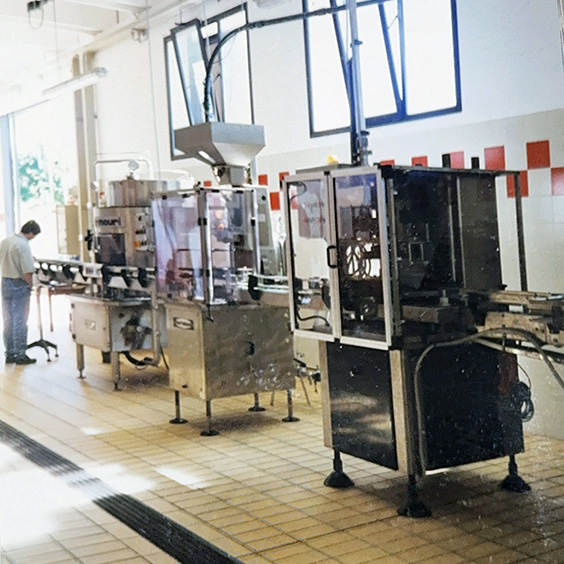
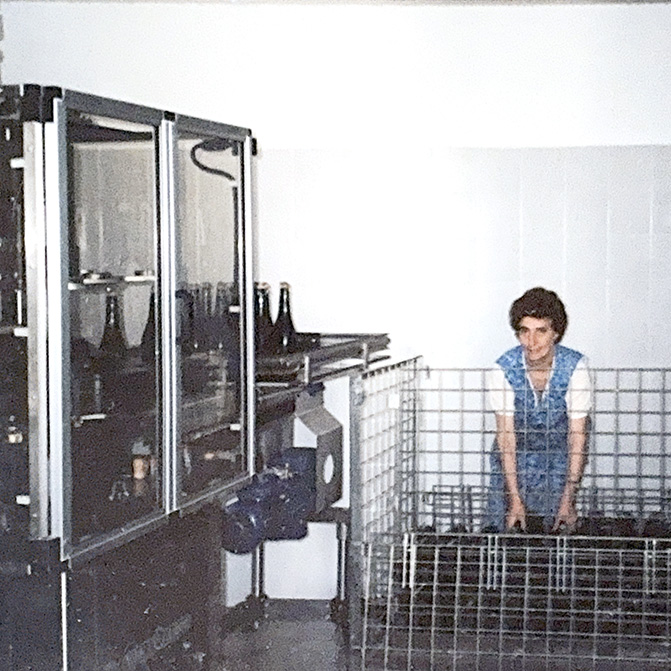
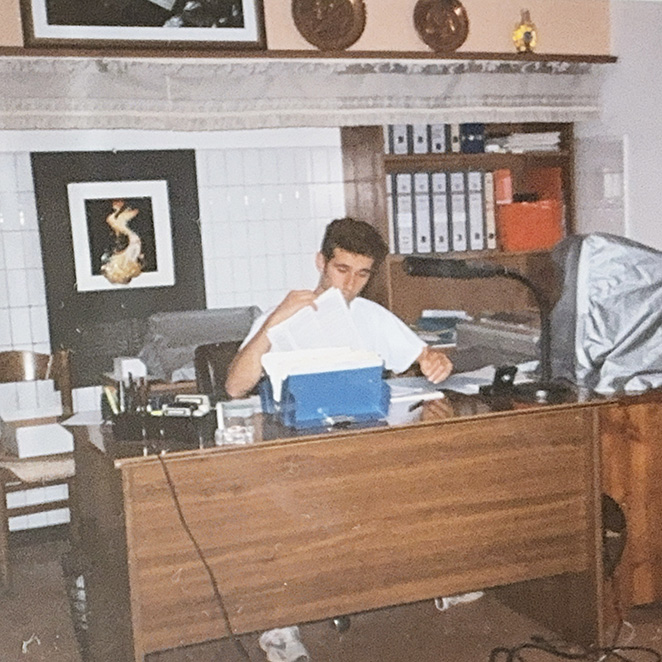
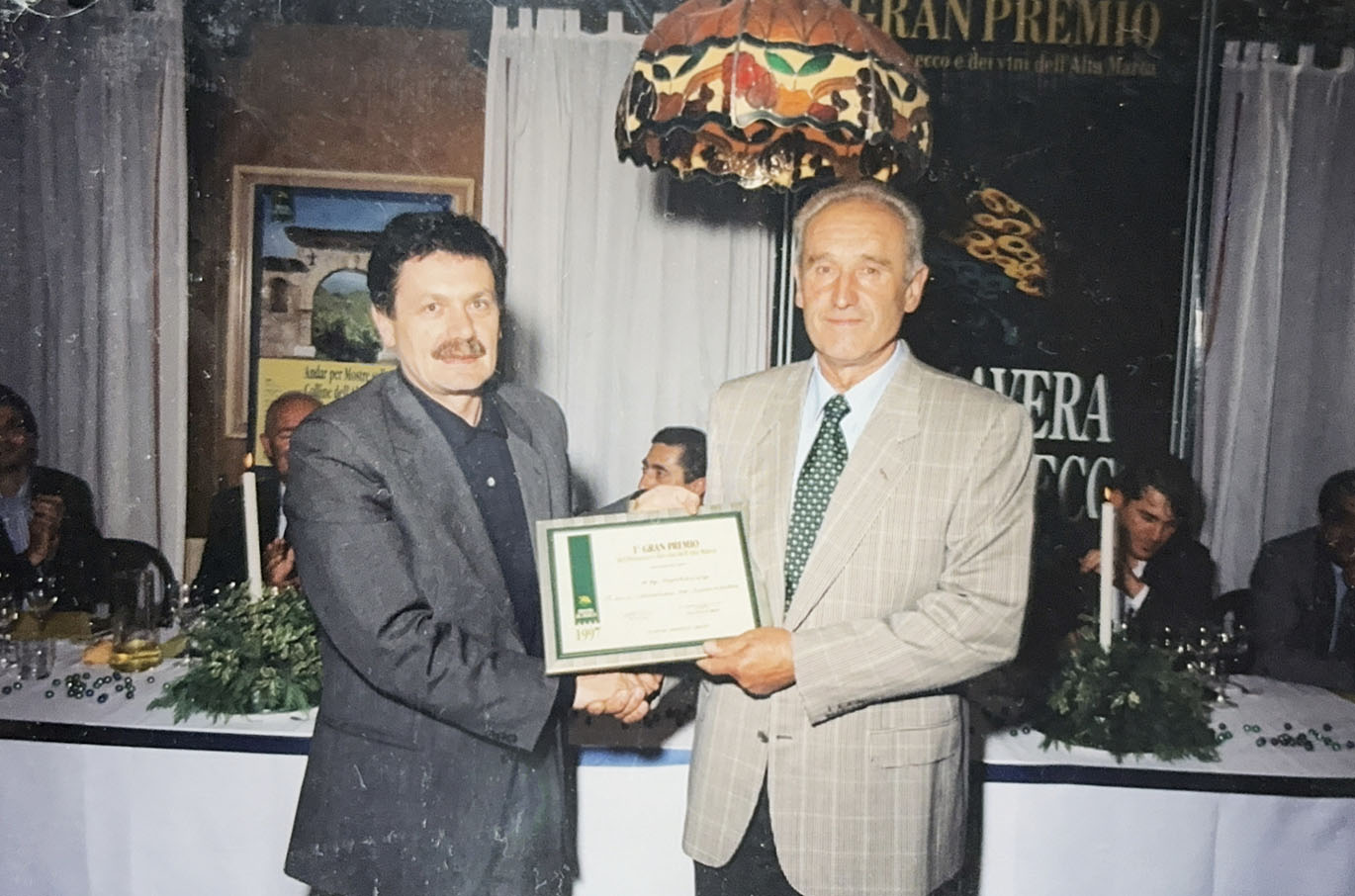
With the arrival of his son Mauro in the company, Angelo launches the first bottle labeled Rebuli , establishing himself in the wine scene. He will then purchase equipment to make production more autonomous.
The cellar rises
1992
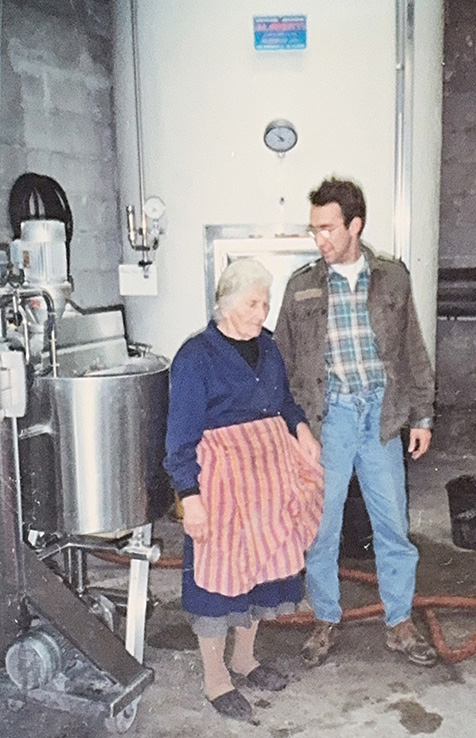
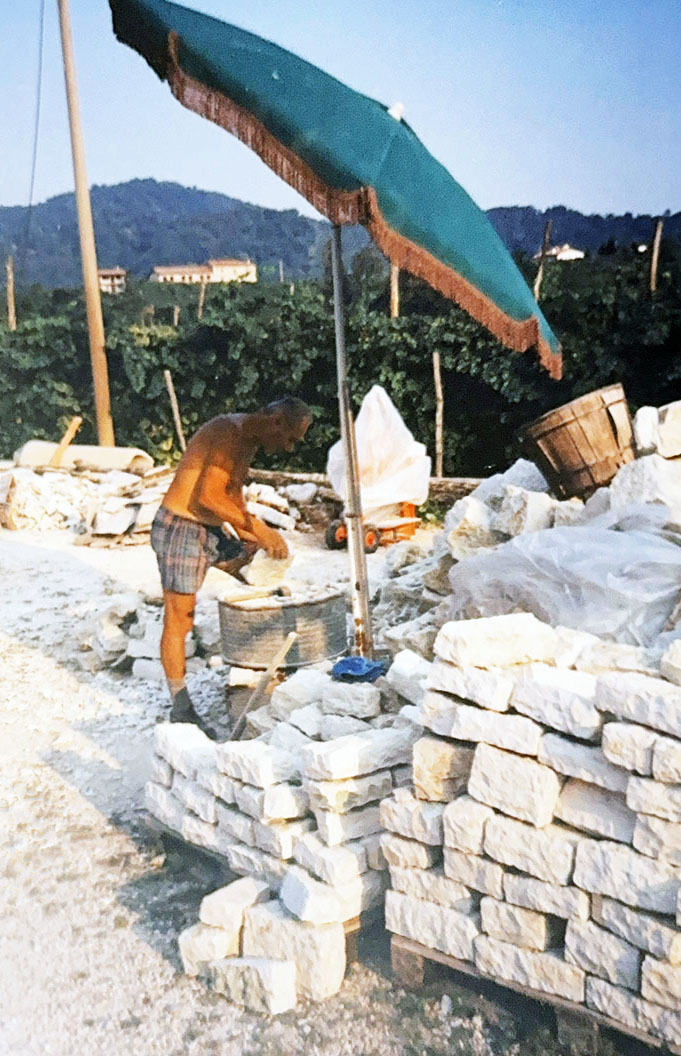
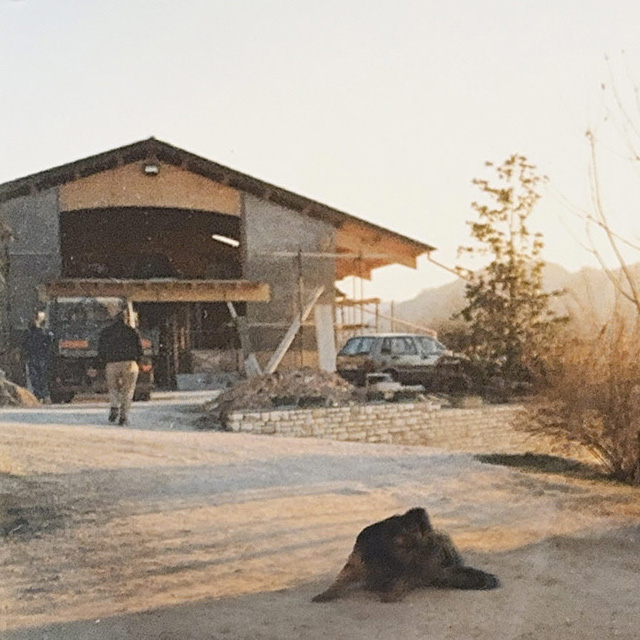
The arable land gives way to vineyards, which determines a notable increase in production. The construction of the underground cellar begins, to preserve our wines.
We buy new land
1996
We acquired Riva di Campea, where today we produce our prized “ Ieta Rebuli ” Valdobbiadene DOCG EXTRA DRY Rive di Campea. A wine that symbolizes our tradition and innovation.
Increase production
2000s
The production capacity increases considerably thanks to the addition of vineyards in the Corbanese area. We continue to grow, always maintaining a strong bond with our roots.
Expanding the company
2014
We buy 2 hectares of land from AIRC, all the proceeds are dedicated to supporting the research. We renovate the house where the tasting room and the B&B now stand, to let our customers experience the passion we put into it.
We are expanding to Asolo
2018
We purchase vineyards in Asolo DOCG, continuing to diversify and improve our production.
Protection of the territory
2021
We are building an extension to our underground cellar, increasing its capacity and opening up new opportunities for the future. With zero visual impact, we are protecting the land and its beauty.
Opening to the public
2024
We introduce experiences and tastings in the company. Each tasting is accompanied by a selection of typical local products, such as zero-mile cheeses and meats with a short and controlled supply chain.
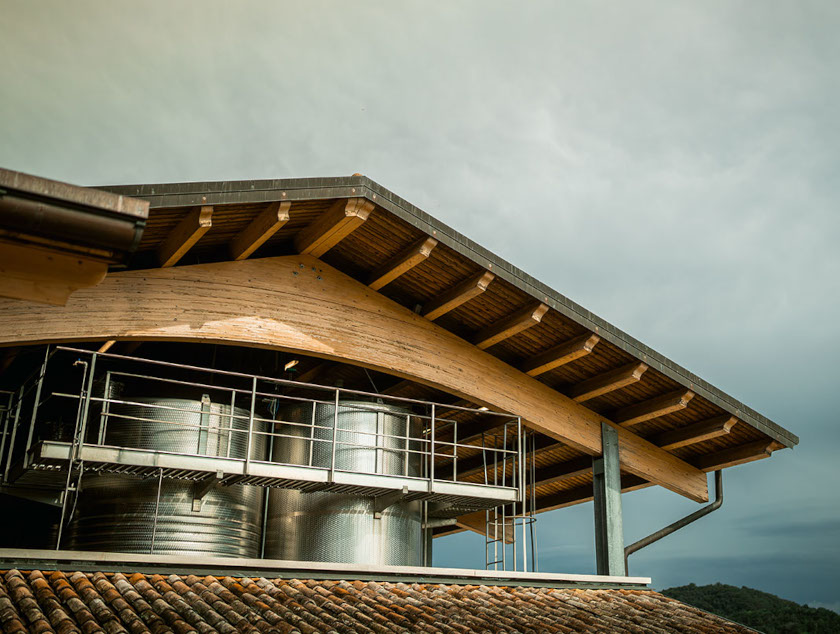
While keeping alive the historical roots and traditions, the interiors of our cellar reveal an extraordinary modernity.
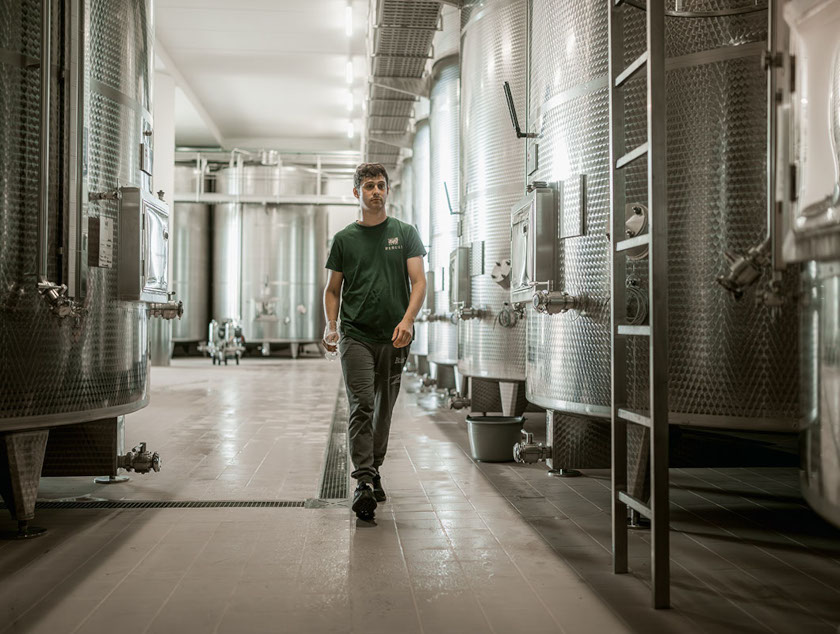
State-of-the-art equipment and next-generation winemaking methods ensure that every grape is treated with extreme care and precision.
This approach preserves the authenticity and essence of the territory, transforming the grapes into superior quality wines.
The decision to combine tradition and modernity was a conscious choice, aimed at honoring the past while simultaneously looking to the future, in order to respond to the ever-changing needs of the wine market. Thus, a building from the 90s has transformed into one of the most advanced wineries in the sector, ready to write the next chapter in its illustrious history.
Currently our cellar is able to transform and host 100% of the grapes needed to produce our products.
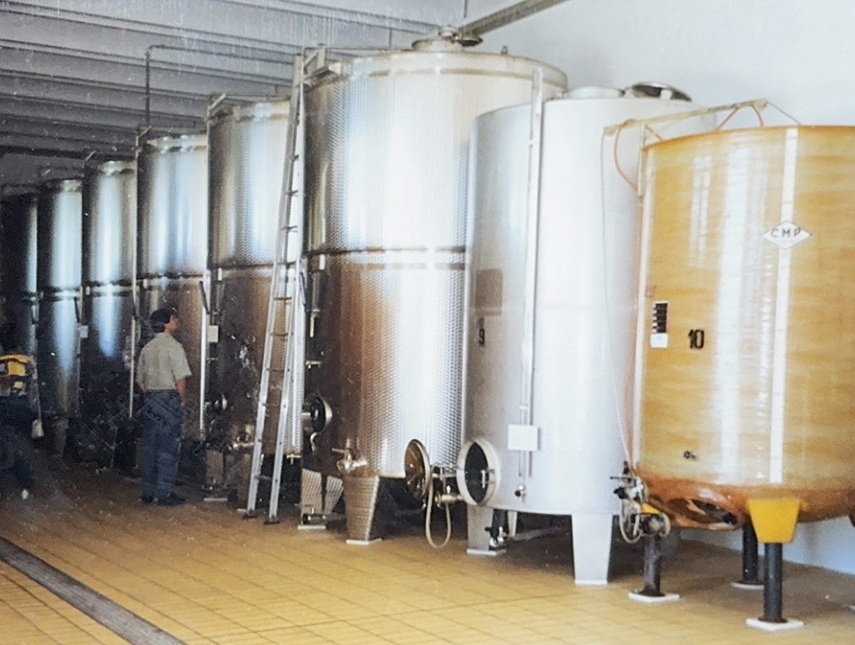
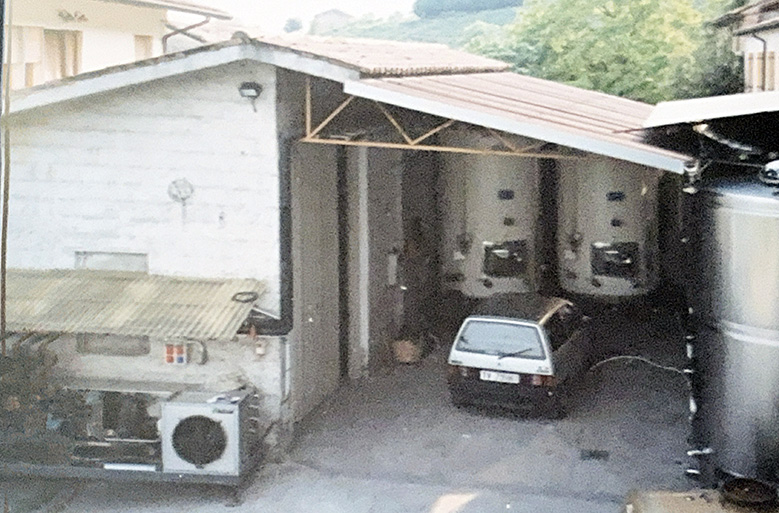
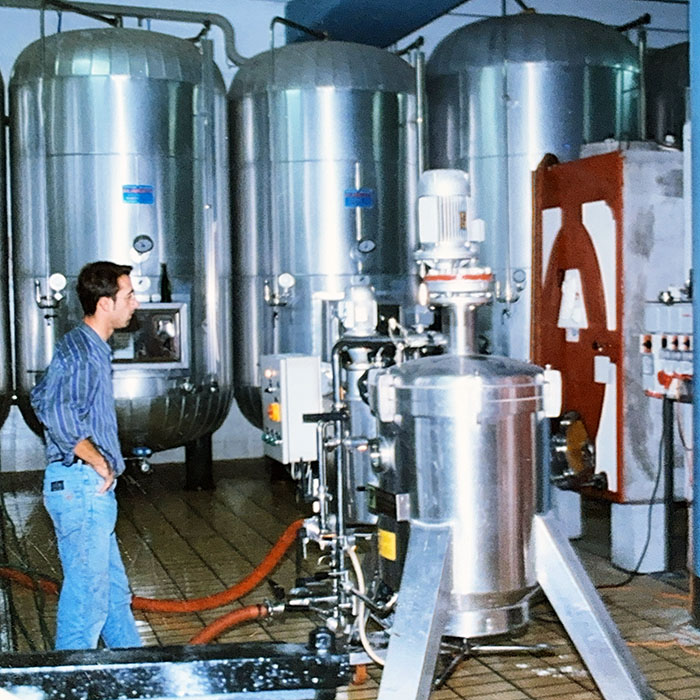
Furthermore, by choice we only use stainless steel tanks which is ideal for winemaking because it does not alter the aromas of the wine, preserving the typicality and facets that the terroir offers.
Easy to clean and sanitize, it guarantees pure and high quality wines, keeping intact the unique characteristics of each vintage. Furthermore, all the waste water from the cellar is recovered, purified and reused as water for washing external surfaces such as floors and other surfaces (not in contact with food parts) or even for irrigating the vineyards.